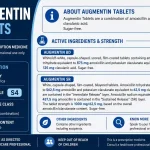
If you are using Sinuend tablets, this medicine is meant to help with the symptoms that often come with a cold or flu. It is used for blocked nose (nasal congestion) as well as minor aches and pains linked to colds and influenza. In South Africa, it is listed as a Schedule 2 (S2) medicine.
What it is and what it is used for
Sinuend is a tablet medicine for cold and flu symptoms.
Active ingredients
Each tablet contains:
- Paracetamol 200 mg
- Ephedrine hydrochloride 6 mg
- Caffeine 20 mg
- Chlorpheniramine maleate 2 mg
What type of medicine it is
The source describes Sinuend as a preparation for the common cold that includes a nasal decongestant and an antihistamine. It also has analgesic (pain-relieving), antipyretic (fever-reducing), sympathomimetic (decongestant-type), and antihistaminic properties.
What it is used for
You may use Sinuend for the symptomatic relief of symptoms linked to colds and influenza, including:
- Nasal congestion
- Minor aches and pains
This means it helps relieve symptoms, but the source does not say that it treats the cause of the infection itself.
How it works (simple explanation)
Sinuend combines four medicines that work in different ways.
Paracetamol
Paracetamol helps to ease pain and reduce fever. If you have body aches, headache, or feel feverish with a cold or flu, this ingredient is the part that helps with those symptoms.
Ephedrine hydrochloride
Ephedrine hydrochloride acts as a decongestant. In simple terms, it helps open the nose when you are feeling blocked up. This can make breathing through your nose easier when you have a cold or flu.
Chlorpheniramine maleate
Chlorpheniramine maleate is an antihistamine. This means it helps with symptoms linked to the body’s histamine response. The source includes it as part of the medicine’s antihistaminic effect.
Caffeine
Caffeine is also included in the tablet. The source identifies it as one of the active ingredients and notes that it can affect the stomach and central nervous system.
Because the tablet combines these ingredients, it is designed to help more than one cold or flu symptom at the same time.
Who should NOT use this medicine
Do not use Sinuend if you:
- Are allergic or hypersensitive to any of its ingredients
- Have severe liver impairment
- Have severe kidney impairment
- Have cardiovascular disease
- Have kidney disease
- Have high blood pressure (hypertension)
- Have an overactive thyroid (hyper-thyroidism)
- Have hyperexcitability
- Have phaeochromocytoma
- Have closed-angle glaucoma
- Have prostatism
- Have bladder dysfunction
- Are being treated with monoamine oxidase inhibitors (MAOIs)
- Have taken an MAOI within the last 14 days
- Have epilepsy
- Have any convulsive disorder
- Are currently having an asthma attack
Important note
If any of the conditions above apply to you, do not start this medicine unless a doctor specifically advises you to do so.
Warnings and precautions (Read before use)
Before using Sinuend, there are some important safety points to keep in mind.
Do not take more than the recommended dose
Taking more than the recommended amount can cause severe liver damage. This is especially important because paracetamol is one of the ingredients.
If you have liver or kidney disease
If you have liver disease or kidney disease, the source says paracetamol should be taken under medical supervision.
If your symptoms do not improve
If you do not get relief when using the recommended dose, you should consult your doctor.
Do not use it for too long without medical advice
Do not use Sinuend continuously for more than 10 days unless your doctor tells you to.
Drowsiness and impaired concentration
This medicine may cause:
- Drowsiness
- Poor concentration
- Impaired decision-making
This effect may become worse if you take it with alcohol or other medicines that depress the central nervous system.
Warning: Do not drive, operate dangerous machinery, or climb dangerous heights if this medicine affects your alertness. The source specifically warns that impaired judgement could lead to accidents.
Heart-related caution
Ephedrine hydrochloride should be used with caution if you have:
- Organic heart disease
- Cardiac decompensation
- Angina of effort
The source also states that anginal pain may be triggered in people with angina pectoris.
Anaesthesia warning
Sinuend should be avoided during anaesthesia with:
- Cyclopropane
- Halothane
- Other halogenated anaesthetics
If you are going for an operation or procedure, tell the doctor or anaesthetist that you are taking this medicine.
Caffeine-related caution
Caffeine should be used with caution if you have a history of:
- Peptic ulceration
- Hyperacidity
The source also says that long-term high intake of caffeine may lead to:
- Tolerance to some effects
- Physical withdrawal signs if stopped suddenly
Older adults
Older adults may be especially sensitive to the effects of chlorpheniramine, including:
- Antimuscarinic effects
- Sedation
- Low blood pressure (hypotension)
Pregnancy, planning pregnancy, and breastfeeding
The source says that the safe use of Sinuend in pregnancy and lactation has not been established.
If you are:
- Pregnant
- Planning a pregnancy
- Breastfeeding
speak to your doctor or pharmacist before use.
Interactions
Sinuend can interact with other medicines.
Medicines that may increase the risk of heart rhythm problems
There may be an increased risk of arrhythmias if Sinuend is taken with:
- Cardiac glycosides
- Quinidine
- Tricyclic antidepressants
Medicines and substances that may make drowsiness worse
Chlorpheniramine maleate may increase the sedative effect of:
- Alcohol
- Barbiturates
- Hypnotics
- Opioid analgesics
- Anxiolytic sedatives
- Neuroleptics
- Other central nervous system depressants
Note: If you are taking any medicine that makes you sleepy, check with a healthcare professional before using Sinuend.
MAOIs
MAOIs may increase the antimuscarinic effects of antihistamines.
This is one reason why Sinuend must not be used if you are on an MAOI or if you stopped it within the last 14 days.
Other antimuscarinic medicines
The effects of antimuscarinic medicines such as:
- Atropine
- Tricyclic antidepressants
may also be enhanced.
Food, alcohol, and tests
- Alcohol: The source specifically warns that alcohol can worsen drowsiness and impaired concentration.
- Food: Not specified in the source.
- Medical tests: Not specified in the source.
How to take (Step-by-step)
Always use Sinuend exactly as described in the source.
Usual adult dose
- Adults: Take 2 tablets every 4 hours.
Dose for children
- Children 8 to 12 years: Take 1 tablet every 4 hours.
- Children under 8 years: Not recommended.
When to take it
The source gives the dose interval as every 4 hours. It does not say whether to take it with food or on an empty stomach.
- With food: Not specified in the source
- Without food: Not specified in the source
Practical steps to help you take it correctly
- Check the time of your last dose before taking more.
- Keep to the 4-hour interval.
- Do not continue beyond 10 days without medical advice.
- If you are also using any other medicine for pain, flu, or a blocked nose, check the ingredients first, especially for paracetamol. The source warns that taking too much can cause severe liver damage.
Missed dose
Not specified in the source.
Overdose
If too much is taken, this is a medical emergency.
The source says:
- Consult a doctor immediately, or
- Take the patient to the nearest hospital immediately
Specialised treatment is needed as soon as possible. The source also says that the latest information on overdose treatment can be obtained from the nearest poison centre.
Dosing table
| Age group | Dose | Frequency | Maximum daily dose |
|---|---|---|---|
| Adults | 2 tablets | Every 4 hours | Not specified in the source |
| Children 8 to 12 years | 1 tablet | Every 4 hours | Not specified in the source |
| Children under 8 years | Not recommended | Not applicable | Not applicable |
Possible side effects
Not everyone gets side effects, but it is important to know what may happen.
Common
The source states that the following may occur:
- Headache
- Sedation or drowsiness
- Difficulty concentrating
- Tiredness (lassitude)
- Poor co-ordination
- Nausea
- Vomiting
- Diarrhoea
- Epigastric pain (pain in the upper stomach area)
- Dry mouth
- Constipation
- Blurred vision
- Difficulty passing urine
- Urinary retention
- Sweating
- Restlessness
- Tremor
- Insomnia
- Reduced appetite
Less common
The source says these can occur occasionally or may occur:
- Skin rashes
- Other allergic reactions
- Pancreatitis
- Confusion
- Irritability
- Weakness
- Dyspnoea (shortness of breath)
- Hypersalivation
- Tightness of the chest
- Thickened respiratory secretions
- Increased gastric reflux
- Changes in glucose metabolism
- Paradoxical stimulation, especially in children, such as nervousness, euphoria, tremors, or insomnia
- Extrapyramidal symptoms (movement-related side effects)
Serious—seek urgent help
Get urgent medical help if you notice symptoms such as:
- Allergic reactions
- Very severe drowsiness
- Hallucinations
- Convulsions
- Psychotic states
- Palpitations
- Arrhythmias
- Marked urinary retention
- Severe breathing difficulty
- Blood-related reactions such as thrombocytopenia, leucopenia, pancytopenia, neutropenia, or agranulocytosis
- Severe stomach symptoms or ongoing vomiting
What to do if side effects happen
- If you feel sleepy or dizzy, avoid driving or any risky activity.
- If side effects are severe, unusual, or worrying, seek medical advice.
- If you think you or someone else has taken too much, go to the nearest hospital immediately.
Storage and disposal
How to store Sinuend
- Store at or below 25 °C
- Protect it from light
- Protect it from moisture
- Keep it out of reach of children
Expiry
Expiry guidance is not specified in the source.
Disposal
Disposal instructions are not specified in the source.
What the medicine contains
Active ingredients
Each tablet contains:
- Paracetamol 200 mg
- Ephedrine hydrochloride 6 mg
- Caffeine 20 mg
- Chlorpheniramine maleate 2 mg
Other ingredients
The source lists these excipients:
- Maize starch
- Lactose
- Gelatin
- Carmoisine Red (CI 14720)
- Green ‘S’ (CI 44090)
- Magnesium stearate
- Talc
- Sodium starch glycollate
Note: This product contains lactose.
Pack information and appearance
What the tablets look like
Sinuend tablets are described as:
- Red and blue mottled
- Round
- Biconvex
Pack sizes
The source states that Sinuend is presented in:
- White HDPE securitainers containing 20 tablets
- Aluminium foil blister packs containing 20 tablets
Practical FAQs (based ONLY on the source)
Can I take Sinuend if I have high blood pressure?
No. The source lists hypertension as a condition where this medicine should not be used.
Can I give it to a child under 8 years old?
No. The source says it is not recommended for children under 8 years.
Can I drive after taking it?
You should be careful. This medicine may cause drowsiness and impaired concentration, and the source warns against driving, operating machinery, or climbing dangerous heights if affected.
Can I drink alcohol while taking this?
The source warns that alcohol can worsen drowsiness and impaired concentration caused by this medicine.
Can I use it for more than a few days?
Not without checking first. The source says do not use continuously for longer than 10 days unless you have spoken to your doctor.
What should I do if the medicine is not helping?
If you do not get relief at the recommended dose, the source says you should consult your doctor.
Is it safe in pregnancy or while breastfeeding?
The source says the safe use in pregnancy and lactation has not been established. Speak to your doctor or pharmacist before using it.
What if I accidentally take too much?
Get medical help immediately. The source says to contact a doctor or go to the nearest hospital at once, because specialised treatment is essential.
Does it contain lactose?
Yes. The source specifically states that it contains lactose.
Can older people use it?
The source does not say that older adults cannot use it, but it does say they are more susceptible to some effects of chlorpheniramine, including sedation, low blood pressure, and antimuscarinic effects. Extra caution is therefore important.