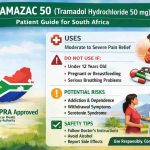

Managing pain effectively is a critical component of healthcare, particularly when it impacts daily functioning, recovery, and overall quality of life. In South Africa, medicines such as TRAMAZAC 50—containing tramadol hydrochloride—are prescribed under strict regulatory oversight to ensure both safety and efficacy.
What is TRAMAZAC 50?
TRAMAZAC 50 is a prescription medicine that contains tramadol hydrochloride, an opioid analgesic used to treat moderate to moderately severe pain. It acts on the central nervous system to alter how the body perceives and responds to pain signals.
Unlike simple painkillers such as paracetamol, tramadol is classified as a Schedule 5 (S5) medicine in South Africa. This classification reflects its potential for dependence and the need for careful medical supervision.
According to the official patient leaflet , TRAMAZAC 50 is specifically indicated for managing pain that cannot be adequately controlled by milder analgesics.
How TRAMAZAC 50 Works
Mechanism of Action
Tramadol works through a dual mechanism:
- It binds to opioid receptors in the brain and spinal cord
- It inhibits the reuptake of neurotransmitters such as serotonin and norepinephrine
This combination enhances pain relief but also introduces additional risks, such as serotonin syndrome when combined with certain antidepressants.
Practical Insight
In clinical practice across South Africa, tramadol is often used when:
- Patients do not respond adequately to non-opioid analgesics
- Pain is acute (e.g., post-surgical)
- Pain is chronic but requires intermittent stronger control
However, it is not typically a first-line treatment due to its safety profile.
Who Should Use TRAMAZAC 50?
TRAMAZAC 50 is intended for:
- Adults and adolescents over 12 years
- Patients experiencing moderate to severe pain
- Individuals under medical supervision
Situations Where It May Be Prescribed
- Post-operative pain (e.g., orthopaedic procedures)
- Injury-related pain
- Certain chronic pain conditions
Important Limitation
It should not be used for minor pain conditions such as mild headaches or minor injuries, as the risks outweigh the benefits.
Who Should NOT Take TRAMAZAC 50?
Certain individuals should avoid this medicine entirely due to safety concerns.
Absolute Contraindications
You should not take TRAMAZAC 50 if:
- You are allergic to tramadol or other opioids
- You are currently intoxicated with alcohol or sedative medicines
- You are using or recently used MAO inhibitors
- You have severe breathing problems
- You have uncontrolled epilepsy
- You are pregnant or breastfeeding
- You are under 12 years of age
These restrictions are based on well-established pharmacological risks and are reinforced by regulatory frameworks in South Africa.
Key Warnings and Precautions
Risk of Dependence and Addiction
Tramadol has addictive potential, especially with long-term use. Patients with a history of substance misuse should be closely monitored.
Expert Insight:
In South African clinical settings, prescribers often limit tramadol use to short durations and reassess regularly to minimise dependency risks.
Tolerance Development
Over time, patients may find the same dose less effective. This is known as tolerance.
- Do not increase the dose yourself
- Consult your healthcare provider for reassessment
Withdrawal Symptoms
Stopping tramadol suddenly can lead to:
- Anxiety and restlessness
- Insomnia
- Tremors
- Gastrointestinal discomfort
A gradual dose reduction is recommended under medical supervision.
Serotonin Syndrome
A potentially life-threatening condition caused by excess serotonin.
Symptoms include:
- Agitation
- High body temperature
- Muscle stiffness
- Rapid heart rate
This risk increases when combined with antidepressants such as SSRIs or SNRIs.
Sleep-Related Breathing Disorders
Opioids, including tramadol, can cause:
- Central sleep apnoea
- Reduced oxygen levels during sleep
Patients experiencing unusual sleep disturbances should seek medical advice.
Special Populations
Elderly Patients
- Increased sensitivity to side effects
- Higher risk of sodium imbalance
Patients with Liver or Kidney Disease
- Slower drug metabolism
- Dose adjustments required
How to Take TRAMAZAC 50
General Guidelines
- Take exactly as prescribed
- Swallow capsules whole with water
- Do not crush or chew
Typical Dosage
For adults and adolescents over 12 years:
- Initial dose: 50–100 mg
- Maintenance: 50–100 mg every 4–6 hours
- Maximum daily dose: 400 mg
Important Considerations
- Always use the lowest effective dose
- Avoid long-term use unless specifically advised
- Regular medical review is essential
What Happens in Case of Overdose?
An overdose can be life-threatening.
Symptoms May Include:
- Severe drowsiness or unconsciousness
- Slow or stopped breathing
- Seizures
- Vomiting
Action to Take
- Seek immediate medical attention
- Contact a hospital or poison centre
- Bring the medicine packaging for reference
Missed Dose Guidance
If you forget a dose:
- Take it as soon as you remember
- Skip it if it’s close to your next dose
- Never double up doses
Possible Side Effects
Common Side Effects
- Drowsiness
- Dizziness
- Nausea and vomiting
- Constipation
- Dry mouth
These are usually mild and often improve over time.
Less Common Effects
- Mood changes
- Sleep disturbances
- Hallucinations
- Changes in blood pressure
Serious Side Effects (Medical Emergency)
Seek urgent care if you experience:
- Difficulty breathing
- Severe allergic reactions (swelling, rash)
- Seizures
- Irregular heartbeat
- Severe skin reactions
These require immediate medical attention.
Long-Term Risks
Dependence and Misuse
Long-term use increases the likelihood of:
- Physical dependence
- Psychological addiction
Increased Pain Sensitivity
Paradoxically, prolonged opioid use can lead to heightened pain sensitivity.
Hormonal Effects
Some patients may develop adrenal insufficiency, presenting as:
- Extreme fatigue
- Weight loss
- Low blood pressure
Drug Interactions
TRAMAZAC 50 interacts with several medicines:
High-Risk Combinations
- Antidepressants (SSRIs, SNRIs)
- Sedatives (benzodiazepines)
- Antipsychotics
- Other opioids
- Blood thinners (e.g., warfarin)
Alcohol Interaction
Alcohol significantly increases sedation and respiratory depression risk and should be avoided completely.
Use in Pregnancy and Breastfeeding
TRAMAZAC 50 is not recommended during:
- Pregnancy
- Breastfeeding
This is due to risks of:
- Harm to the developing baby
- Withdrawal symptoms in newborns
Driving and Operating Machinery
Tramadol may impair:
- Alertness
- Reaction time
- Coordination
Patients should avoid driving or operating machinery until they understand how the medicine affects them.
Storage and Handling
To ensure safety and effectiveness:
- Store below 25°C
- Keep in original packaging
- Protect from light and moisture
- Keep out of reach of children
Unused medicine should be returned to a pharmacy for safe disposal.
Composition and Appearance
Each capsule contains:
- 50 mg tramadol hydrochloride
- Excipients including calcium phosphate and magnesium stearate
- Sugar Free
The capsules are green and contain a white to off-white powder .
Regulatory Oversight in South Africa
Medicines like TRAMAZAC 50 are regulated by South African Health Products Regulatory Authority to ensure:
- Quality
- Safety
- Efficacy
Reporting Side Effects
Patients and healthcare professionals are encouraged to report adverse effects through SAHPRA’s pharmacovigilance system. This contributes to ongoing medicine safety monitoring.
Practical Guidance for Patients
Safe Use Checklist
- Follow prescribed dosage strictly
- Avoid alcohol
- Inform your doctor of all other medicines
- Do not share your medication
- Attend follow-up appointments
When to Contact Your Doctor
- Pain is not controlled
- Side effects worsen
- You suspect dependence
- You experience unusual symptoms
Conclusion
TRAMAZAC 50 is an effective option for managing moderate to severe pain when used appropriately under medical supervision. However, its opioid nature means it carries significant risks, including dependence, side effects, and interactions.
By following guidance aligned with South African regulatory standards and maintaining open communication with healthcare providers, patients can use this medicine safely and effectively.
Ultimately, responsible use, informed decision-making, and adherence to medical advice are key to achieving optimal outcomes while minimising risk.